

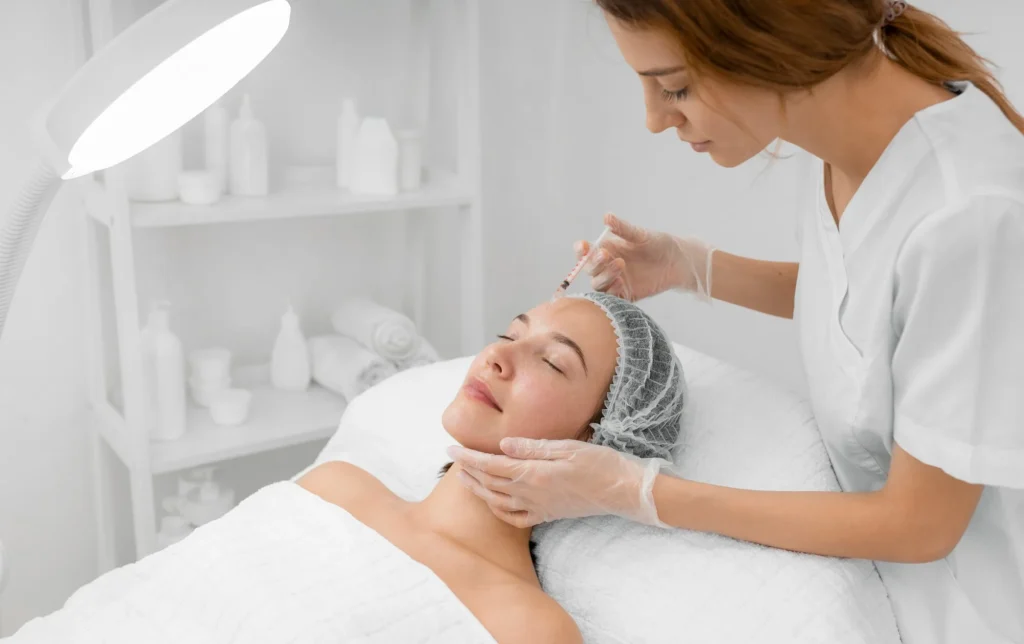
Imagine you just finished your dermal filler treatment, you came home, and you freaked out when you looked in the mirror. Your lips look bigger than you expected, one cheek is slightly swollen, and let’s not forget the bruises. And the first thought that crosses your mind is: “What on Earth has happened?” Or “Am I going to stay this way?” Did something go wrong?” This is a feeling familiar to many. In moments like these, they often turn to the internet for answers − only to be met with flawless Instagram photos or frightening stories about complications. But neither of these sources provides true peace of mind or clarity.
This article is designed to give you truly useful information about dermal filler recovery. The specialists at Skincare Sommelier Beauty Lab & Med Spa have put together a clinically grounded description of the recovery process after dermal filler injections − without unnecessary embellishments or fear-mongering. You’ll learn what changes occur in your skin day by day, how to recognize a normal bodily reaction, when to consult a specialist, and how to properly care for yourself during the recovery period.
Important: This material is for informational purposes only and does not replace a doctor’s consultation. All decisions regarding procedures and the treatment of possible complications should be made in consultation with a qualified specialist.
Table of Contents
Quick Answer: What Is Normal During Dermal Filler Recovery?
Normal side effects:
- swelling;
- redness at the injection sites;
- mild tenderness when touched;
- bruising (ecchymosis);
- slight asymmetry due to uneven swelling;
- hardening under the skin.
Abnormal symptoms:
- change in skin color at the injection site to a pale or bluish hue;
- severe pain that worsens and does not subside over time;
- pain radiating to other areas of the face;
- fever;
- severe redness that progresses and becomes more pronounced;
- vision problems.
The Dermal Filler Recovery Timeline Day by Day: What to Expect
If you lead an active lifestyle and are used to planning your schedule in advance, this information will be particularly helpful. Understanding the stages of recovery helps you plan your work, meetings, and personal affairs without stress.
Skincare Sommelier team says: “Most often, unnecessary stress after the procedure is linked to the expectation of instant results. However, hyaluronic acid-based dermal fillers gradually integrate into the tissue. What you see in the mirror during the first two days is not yet the final result − it is a natural adaptation process. Let things take their course. “
Hours 1-48: The Inflammatory Phase and Post-Injection Edema
Immediately after the procedure, the body triggers a natural inflammatory response. This is a normal physiological process, not a complication, it’s how the tissues react to the mechanical impact of the needle. At the same time, another effect occurs: hyaluronic acid, which is a component of most modern fillers, actively attracts water. Because of this, the lips or cheeks may appear more voluminous than expected in the first few hours. It is important to understand that this is a temporary effect, not the final result.
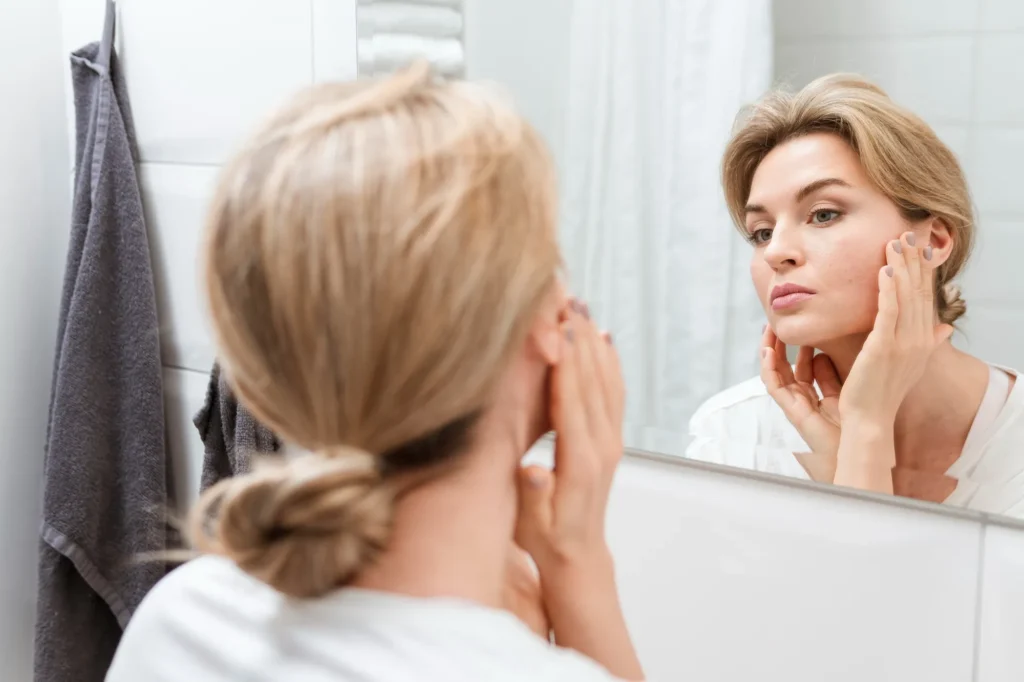
Days 3-7: Tissue Integration and Managing Ecchymosis (Bruising)
By the third day, the swelling usually subsides. At the same time, bruises begin to appear, gradually changing color from reddish to purple and yellowish. This is considered a natural process of bruise resolution. During this same period, you may feel slight unevenness or lumpiness under the skin. This is not a complication, it is a sign that the filler is adapting to the tissues. The gel base gradually distributes itself within the anatomical structures, and the skin’s surface becomes smoother over time.
Days 14+: The Final Reveal (How Long Does It Take for Fillers to Settle?)
The specialists at Skincare Sommelier adhere to a strict “14-day rule”: any adjustments and final assessment of results are made no sooner than two weeks after the procedure. This is because the tissues are still healing − residual swelling may distort the shape, and the gel continues to integrate. It is important to know and understand that everyone’s physiological processes are different.
Distinguishing Normal Side Effects of Dermal Fillers from Clinical Concerns
Swelling and Asymmetry After Facial Fillers
Patients seeking advice about swelling after lip fillers in NYC often notice asymmetry in the first few days after the procedure. This is usually the result of natural anatomical differences, as lymphatic flow, tissue structure, and blood vessel distribution vary slightly on each side of the face.
In addition, the severity of swelling can be influenced by one’s usual sleeping position, especially if a person tends to sleep on one side; in that case, swelling on that side may persist longer. If the asymmetry does not improve after 14 days, it is advisable to consult a specialist.
Lumps After Dermal Fillers: Is It Normal or a Nodule?
Temporary lumps during the first 1-2 weeks after the procedure are considered normal. During this period, the gel may feel like a small lump under the skin; this is most often noticeable around the lips and nasolabial folds. These lumps resolve on their own as the filler integrates. A granuloma is an inflammatory reaction of the body to a foreign substance. It develops later − weeks or even months after the procedure. It is usually accompanied by redness, tenderness, and the formation of a distinct nodule.
Important: It is not recommended to knead or massage such lumps yourself. This can lead to displacement of the filler, tissue damage, or an exacerbation of the inflammatory process.
Post-Treatment Tenderness vs. Persistent Pain
It is normal for the injection site to feel tender to the touch, similar to the sensation of a bruise. This tenderness gradually subsides over the course of 3-5 days.

It is not normal if: the pain is sharp, throbbing, or worsening; the pain radiates to adjacent areas of the face; or the pain begins or intensifies on the 3rd or 4th day.
Sommelier team says: “We always tell patients: if the pain is getting worse instead of better, that’s a reason to call us right away. It’s better to consult us just to be safe and make sure everything is okay than to miss an important symptom”.
Medical Red Flags: When to Call a Doctor After Dermal Fillers
After dermal filler injections, mild swelling, slight tenderness, and slight redness are considered normal reactions. However, there are symptoms that may indicate complications and require immediate medical attention. It is important to distinguish typical post-procedure reactions from potentially dangerous conditions.
| Symptom | Possible Cause |
|---|---|
| Pallor or white patches on the skin at the injection site, coldness, severe pain | Vascular occlusion (impaired blood flow) |
| Fever, local heat, redness | Infection |
| Hives, facial swelling, difficulty breathing | Allergic reaction |
| A hard lump with redness that appears weeks or months later | Granuloma |
The Skincare Sommelier Aftercare Protocol: Bruising After Filler Treatment Tips
At the Skincare Sommelier clinic in Forest Hills, New York, every patient receives detailed skincare recommendations. Here are the key principles to help speed up recovery:
- Sleeping position. For the first 2-3 nights, it’s best to sleep on your back with your head elevated using an extra pillow.
- Cold compresses. For the first 24 hours, apply a clean, cold cloth for 10-15 minutes at a time, several times a day. This helps reduce swelling and alleviate discomfort.
- Medical-grade arnica. At Skincare Sommelier, we use pharmaceutical-grade arnica in the form of a gel or tablets. This is a natural remedy with proven effectiveness that helps reduce bruising and swelling more quickly.
- Dermal fillers before and after photos. It is recommended to take photos regularly under the same lighting and from the same angle. This allows for an objective assessment of changes during the recovery process and reduces anxiety when it visually appears that there is no progress.
The first 24-48 hours after the procedure are not the time for hot yoga, saunas, or intense cardio workouts. Heat dilates blood vessels and increases swelling.
The principles of post-treatment care are largely similar to those for recovery after other injection procedures − for more details, see our guide to post-Botox care.
Long-Term Expectations: How Long Does Filler Last?
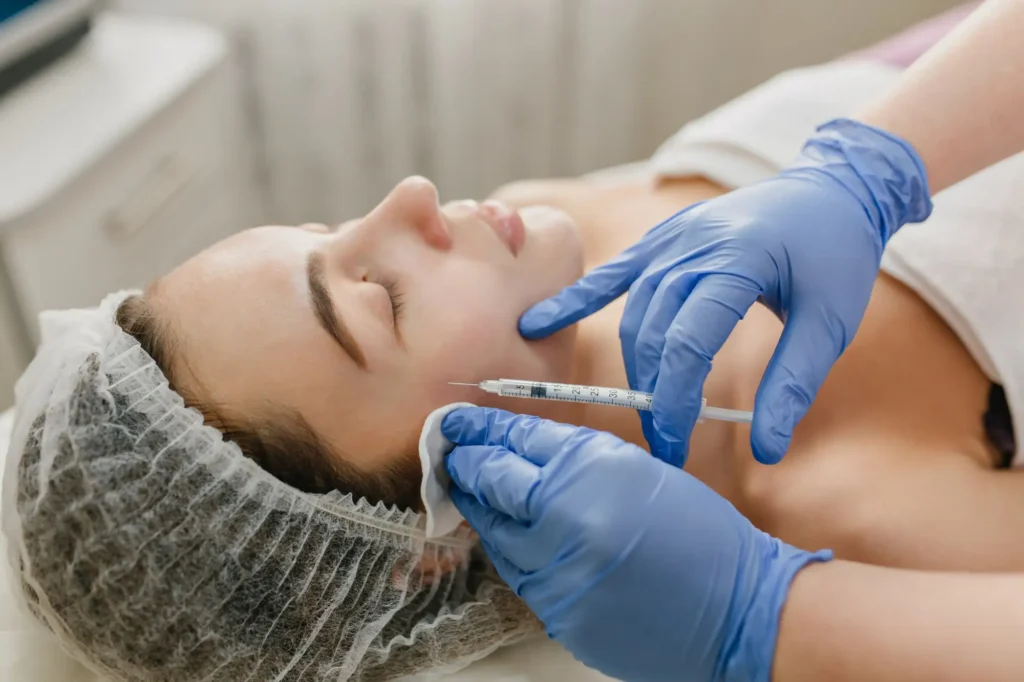
The results depend on several factors: the injection site, the patient’s individual metabolism, and the type of hyaluronic acid-based product used. On average, results last 6-12 months for the lips, 12-18 months for nasolabial folds, and 12-24 months for the cheekbones and facial contours.
Skincare Sommelier team says: “We always discuss realistic expectations with patients before the procedure. Proper planning of the treatments allows us to maintain the results without the need for touch-ups”.
If you haven’t decided on the type of procedure yet, our article comparing Botox and dermal fillers will help you understand the differences.
Two Week Follow-Up:
In 2-3 weeks, once your filler has settled in and the swelling has gone down, we set you up with an appointment for your touch-up and follow-up treatment to perfect the results.
FAQ: Dermal Fillers Recovery
How long does it take for dermal fillers to fully settle?
Hyaluronic acid-based fillers are naturally absorbed over 6 to 24 months, depending on the treatment area and the individual’s metabolism.
Is it normal to feel hard lumps under my skin during the first week?
Yes, that’s normal.
Can I sleep on my side after getting facial fillers?
For the first 2-3 nights, it is recommended that you sleep on your back with your head elevated. Sleeping on your side increases swelling on one side and may cause visible asymmetry.
When is it safe to apply makeup to cover post-injection bruising?
Light makeup is permitted 24 hours after the procedure.
Can I work out or go to a sauna immediately after my treatment?
No. You should avoid strenuous physical activity and saunas for the first 24-48 hours.
Is it safe to fly or travel after receiving hyaluronic acid fillers?
Flying within the first 24-48 hours is not recommended.
Why is my swelling asymmetrical, and will it eventually even out?
Yes. Asymmetrical swelling in the first few days is normal. By the 7th to 14th day, the swelling will even out.
How long does facial filler last once it has completely integrated?
Lips 6-12 months, nasolabial folds 12-18 months, cheekbones and facial contours up to 24 months.
Trust the Process: Your Journey to Refined Aesthetics in Forest Hills
Dermal filler recovery is a natural part of the process. The swelling will subside, the bruising will fade, and in just two weeks, you’ll see the results you came for. Being patient during this time is a conscious choice you make for your own beauty.
If you’re considering your first treatment or want to make sure your dermal filler recovery is going smoothly, visit Skincare Sommelier Beauty Lab & Med Spa in Forest Hills, Queens, New York. Our approach is based on clinical protocols and personalized care for each patient.
Book an appointment today, and receive not just a treatment, but confidence every step of the way.