

PDRN and exosomes are two of the most talked-about regenerative skin treatments right now. Both are used to improve skin quality, support recovery after procedures and give the skin a healthier, more even look. They are often mentioned together, but they are different substances, they are delivered differently, and they are suited to different goals.
Here is what PDRN and exosomes are, how they compare, and how to decide between them.
What Is PDRN?
PDRN stands for polydeoxyribonucleotide. It is made from purified DNA fragments, most commonly from salmon, which is why it is often called salmon DNA. PDRN has been studied for tissue repair and wound healing, and in aesthetics it is used to improve hydration, texture, elasticity and overall skin quality.
At our clinic, PDRN is delivered through microinjections (mesotherapy) or combined with microneedling. Treatment takes 30 to 45 minutes after a topical numbing cream. A standard course is three to four sessions spaced two to four weeks apart, followed by annual maintenance. Initial improvements in texture and radiance usually start within two to three weeks, and results after a full course last six to twelve months.
PDRN can be used on the face, under the eyes, on the neck, décolletage and hands. Minor redness and swelling at injection sites usually resolve within 12 to 24 hours. Clients with fish or seafood allergies receive a skin sensitivity test first.
What Are Exosomes?
Exosomes are tiny vesicles released by cells. They carry proteins, lipids and genetic material that cells use to communicate with each other. When exosomes for skin are used in aesthetics, the goal is to support the skin’s own repair processes, most often after treatments that create micro-channels in the skin, such as microneedling.
At Skincare Sommelier, exosomes are offered as an add-on, for example as part of an exosome facial or with treatments like microneedling and selected facials. It is worth knowing that exosome products are not FDA-approved as drugs for injection, which is why reputable clinics use them topically as part of a procedure rather than as a standalone injectable.
PDRN vs Exosomes: Key Differences
| PDRN | Exosomes | |
| What it is | Purified DNA fragments, usually from salmon | Vesicles released by cells |
| How it is delivered | Microinjections or with microneedling | Topically, usually after microneedling |
| Typical course | 3 to 4 sessions, 2 to 4 weeks apart | Added to treatment sessions |
| Main goals | Skin quality, hydration, elasticity, thin skin | Recovery and glow after procedures |
| Downtime | Redness for 12 to 24 hours | Depends on the main procedure |
Which One Should You Choose?
PDRN is often the better fit when the main concern is skin quality itself: thin or crepey skin, dullness, early fine lines, or the under-eye area. Because it is injected, it can be placed exactly where it is needed.
Exosomes make the most sense as part of a treatment you are already planning, such as microneedling or a facial, when the goal is to support recovery and improve the overall result.
Many treatment plans use both at different times. For example, PDRN can be used as a course to improve skin quality, while exosomes are added to microneedling sessions. Your provider will help you decide based on your skin and goals.
Salmon DNA Facial and Microneedling Add-Ons
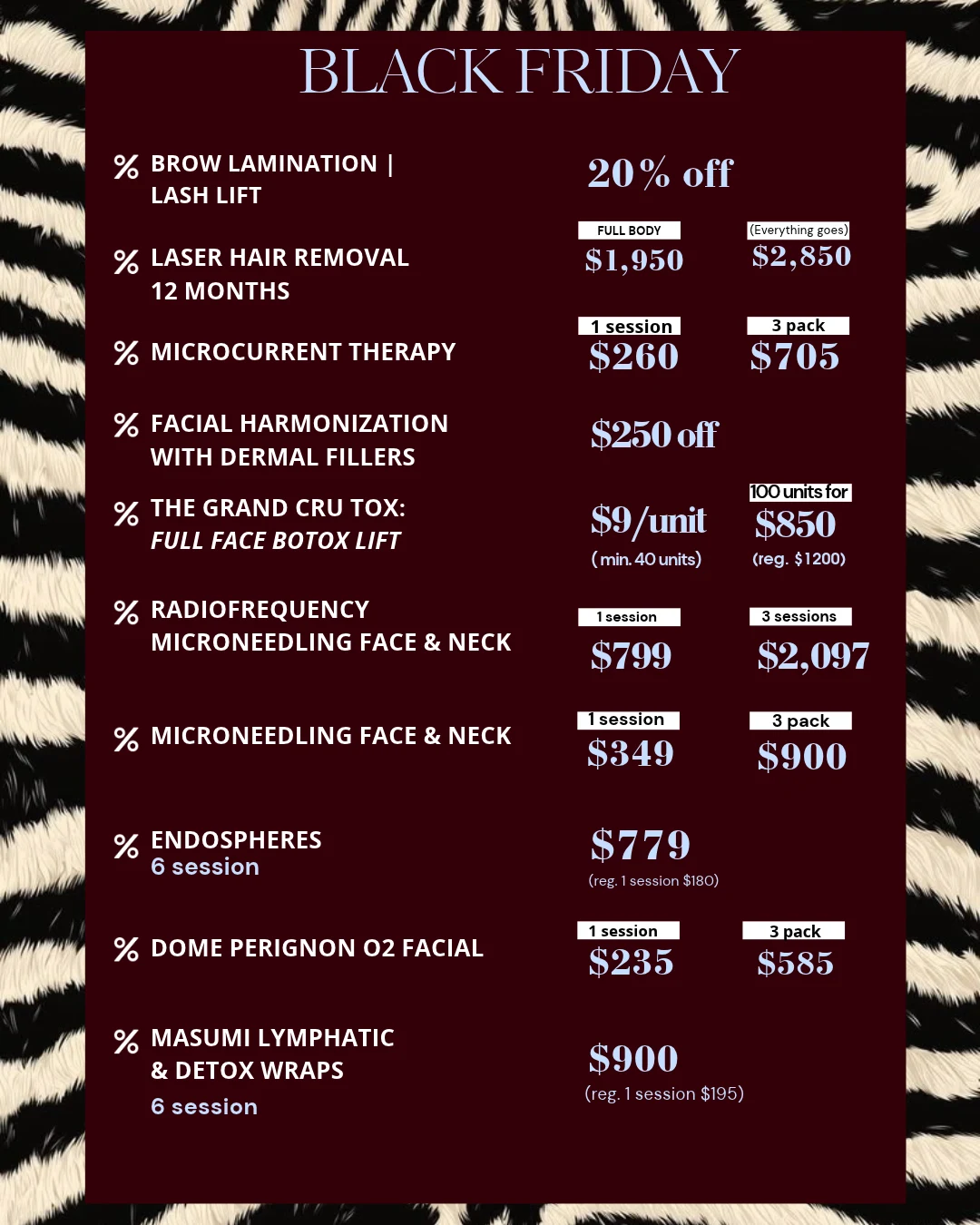
If you are searching for a salmon DNA facial, it usually refers to PDRN applied with microneedling. On our microneedling menu, salmon PDRN can be added as a booster for $100 to $200, and exosomes for $100 to $499, depending on the product and area. Microneedling for the face starts at $299 per session.
Who Should Avoid These Treatments
Both treatments are generally well tolerated, but they are not right for everyone. Tell your provider if you have a fish or seafood allergy, an active skin infection, or if you are pregnant or breastfeeding. Your provider will review your medical history before recommending a plan.
Frequently Asked Questions
What is PDRN made from?
PDRN is made from purified DNA fragments, most commonly sourced from salmon.
Are PDRN injections painful?
A topical numbing cream is applied for about 20 minutes before treatment, and most people tolerate the injections well.
Are exosomes FDA-approved?
Exosome products are not FDA-approved as injectable drugs. In aesthetic practice they are typically used topically as part of procedures such as microneedling.
Can PDRN and exosomes be combined?
They can be used in the same treatment plan. Your provider will decide on the timing and combination for your skin.
PDRN and Exosome Treatments in Forest Hills
Skincare Sommelier Beauty Lab & Med Spa offers PDRN and exosome treatments at 112-05 75th Ave in Forest Hills, Queens. Call 718-568-5146 to book a free consultation.