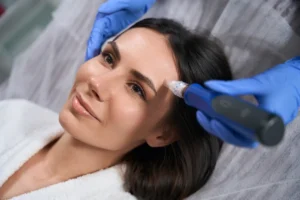


Are fillers safe? Any injectable treatment carries some level of risk, and dermal fillers are no exception. Knowing what’s normal and what isn’t makes the whole experience calmer. For most clients, the risks of dermal fillers come down to mild, temporary effects that fade within days. Serious filler complications are rare, especially with an experienced injector.
This guide covers what to expect after filler, which side effects are completely normal, which signs deserve a call to your injector, and how the team at Skincare Sommelier keeps every treatment safe for clients throughout Forest Hills, Queens, and across NYC.
Are Fillers Safe? The Short Answer
Yes, for the vast majority of clients. Hyaluronic acid fillers have been used in aesthetic medicine for decades. Hyaluronic acid is a substance naturally present in the skin, and these fillers can be dissolved if needed. When they are placed by a qualified, experienced injector, the overall complication rate is low, and most side effects resolve on their own.
Your safety depends less on the brand or the syringe count and more on the person performing the treatment: their knowledge of facial anatomy, their technique, and their readiness to act if anything looks unusual. If you’re still deciding between treatment types, our Botox vs. Dermal Fillers wrinkle guide is a helpful place to start.
Common Filler Side Effects: What’s Normal
Most dermal filler side effects are a natural response to an injection and a sign that the tissue is healing. The most common include:
- mild swelling around the treated area;
- small bruises at injection points;
- tenderness or soreness when touched;
- slight redness right after treatment;
- a feeling of firmness or small bumps that soften as the filler settles.
These filler side effects typically peak within the first day or two and improve steadily after that.
Normal Swelling After Lip Filler
Lips swell more noticeably than other areas because the tissue is soft and well supplied with blood. Normal swelling after lip filler usually peaks within 24–48 hours, settles significantly within a week, and reveals the final result at around two weeks. It may look slightly uneven at first, especially in the morning, but it gets better day by day, not worse.
Lip Filler Bruising
Lip filler bruising is one of the most common lip filler side effects. Because the lips have a rich network of small vessels, a bruise at an injection point is expected rather than alarming. Most bruises move from purple to yellow-green and fade within 5–10 days.
To reduce bruising, your injector may advise avoiding alcohol and certain blood-thinning supplements or medications for a few days before treatment (always check with your doctor before stopping any prescribed medication). A cold compress in the first hours after treatment also helps. A bruise on its own is not a warning sign as long as it is localized, gradually fades, and isn’t accompanied by severe pain.
Rare Filler Complications Worth Understanding
Being informed about rare complications helps you recognize them early, and early recognition is what keeps them manageable.
Vascular Occlusion
The most important rare complication is vascular occlusion: filler placed inside or pressing on a blood vessel, reducing blood flow to nearby tissue. When a vessel is blocked by the injected material, this is sometimes called a filler embolism.
What happens if filler is injected into an artery? It’s treated as a medical priority. For hyaluronic acid filler, the injector dissolves it with an enzyme called hyaluronidase to restore circulation as quickly as possible. Published rates of vascular events are low, generally cited as well under 1% of procedures.
Some facial areas, sometimes described as filler danger zones, have vessels running closer to the surface. This is why, for example, tear trough filler risks are discussed so often. But for the client, the takeaway is simple: every area of the face can be treated safely when the injector knows the anatomy and uses the right technique.
Filler Necrosis
Filler necrosis is tissue damage caused by a prolonged interruption in blood supply. It’s the complication clients worry about most, and it’s rare, representing a small fraction of already uncommon vascular events. It develops when a vascular occlusion goes unrecognized or untreated. This is exactly why prompt action and immediate access to hyaluronidase matter so much.
Can Fillers Cause Blindness?
Filler blindness is the rarest complication of all. It can occur if filler travels through a vessel that supplies the eye. Filler-induced blindness is extremely uncommon, and most reported cases involve areas around the nose and between the brows. Lip filler blindness has been reported only in isolated cases worldwide. Prevention relies on the same foundations as everything else in this guide: anatomical knowledge, careful technique, and an injector trained to respond immediately.
Is Lip Filler Safe?
Lips are among the most frequently treated areas in aesthetic medicine, so it’s natural that clients want to know: is lip filler safe? The answer is yes: lip filler is considered a safe, routine treatment when performed by an experienced injector.
Lip filler risks are mostly limited to the temporary effects described above: swelling, bruising, and tenderness. Lip filler complications are uncommon, and the most serious of them, lip filler vascular occlusion, is rare. And because the lips are so visible and sensitive, any unusual change tends to be noticed quickly, which means it can be addressed quickly.
The Sommelier Team says: “Before we place filler in the lips, we assess the client’s individual anatomy, which varies more than people realize. We also set expectations up front: what normal swelling looks like, and what would prompt a same-day call instead of waiting it out. Clients get clear guidance on what to watch for afterward, so they’re never left guessing.”
Signs of Vascular Occlusion After Filler
Knowing the signs of vascular occlusion after filler helps you tell the difference between normal healing and something that needs attention:
- pain disproportionate to the treatment: sharp, escalating, or worse than typical injection discomfort;
- skin color change: pale, blanched, dusky, purplish, or mottled, not simple pinkness from the injection;
- delayed capillary refill: pressed skin is slow to regain color;
- skin that feels unusually cool compared with surrounding tissue;
- symptoms that get worse over the following hours instead of better.
Normal effects (mild swelling, light bruising, tenderness at injection points) improve steadily, while warning signs stay the same or get worse.
How Long Does Vascular Occlusion Take to Show?
Usually immediately or within the first few hours after injection, though signs can occasionally appear or worsen over the following day. If you notice disproportionate pain combined with a color change, contact your injector right away or seek urgent medical care. A practice that keeps hyaluronidase on site can dissolve the filler without delay.
Can Fillers Cause Permanent Damage?
In the vast majority of cases, no. Most side effects are mild and fully temporary. Lasting changes to the skin are possible only in the rare event of a vascular occlusion that isn’t recognized and treated in time, which is why choosing an injector with a clear emergency protocol matters as much as choosing the look you want.
What to Know Before Getting Fillers
Before booking, it’s worth checking that:
- your injector offers a proper filler consultation, not a rushed chat before the needle;
- they have extensive, verifiable experience with the area you want treated;
- they use hyaluronic acid filler, which can be dissolved if needed;
- hyaluronidase is kept on site as standard protocol;
- they explain their technique, including when they use a cannula vs. a needle;
- you receive clear aftercare instructions and know exactly when to call.
Be open about your medical history, medications, and any previous treatments. This helps your injector plan the safest approach for you.
How Skincare Sommelier Keeps Every Treatment Safe
At Skincare Sommelier, safety comes first in every treatment. Each plan starts with an individualized facial assessment of the client’s anatomy before any product or volume is discussed.
Our injector brings over fourteen years of hands-on experience with injectables and specializes in the Russian lip filler technique. That depth of experience shapes how precisely and conservatively every lip treatment is approached. Depending on the area, we choose between a blunt-tipped cannula and a fine needle, as a cannula is less likely to enter a vessel directly. Hyaluronidase is always on site, so if a filler ever needs to be dissolved, including hyaluronidase for lip filler, it can be done immediately. Every client leaves with clear aftercare guidance and a direct line to our team.
The Sommelier Team says: “A safety-focused consultation should never feel rushed. We walk clients through their anatomy, explain what to expect for the treatment they’re considering, and set clear expectations for normal healing versus what warrants a call to us.”
Clients looking for a non-filler option or a combined approach can also explore our Botox in Forest Hills, Queens service. We’re proud to serve clients throughout Forest Hills, Queens, and greater New York City. Learn more on our Fillers in Forest Hills, NY service page.
Frequently Asked Questions
Are lip fillers safe for first-time clients?
Yes. With an experienced injector, a proper consultation, and hyaluronic acid filler that can be dissolved if needed, lip filler is a routine treatment with mostly mild, temporary side effects.
Can you go blind from lip filler?
It is extremely rare. Lip filler blindness has been reported only in isolated cases worldwide. An experienced injector with sound technique and an emergency protocol keeps this risk to an absolute minimum.
How long does lip filler bruising last?
Usually 5–10 days. Bruises typically fade from purple to yellow-green and improve steadily. A cold compress in the first hours after treatment can help.
What's the difference between normal bruising and a warning sign?
Normal bruising is localized, fades over several days, and isn't accompanied by severe pain. Disproportionate pain, dusky or pale discoloration, or skin slow to regain color after light pressure warrants an immediate call to your injector.
What happens if filler is injected into an artery?
It is treated as a medical priority. For hyaluronic acid filler, the injector uses hyaluronidase to dissolve the filler and restore blood flow as quickly as possible.
Filler cannula vs. needle: which is safer?
Both are safe in experienced hands. A blunt-tipped cannula is less likely to enter a vessel directly, so it's often preferred for certain areas, while a needle allows more precision in others. A skilled injector chooses the right tool for your anatomy and the result you want.
What should I expect after filler?
Mild swelling, possible bruising, and some tenderness for a few days, with the final result visible at around two weeks. Your injector will give you aftercare instructions and tell you exactly which signs would warrant a call.
Book a Safety-First Filler Consultation
Every injectable treatment carries some risk. What makes the difference is who’s holding the syringe. At Skincare Sommelier, experience, careful technique, and a clear safety protocol come first, so you can focus on the result you’re looking for.
Ready to explore your options? Read our Botox vs. Dermal Fillers guide, or book a personalized consultation with our Forest Hills specialists to discuss your goals before choosing a treatment plan.