
Choosing the most appropriate therapy for hyperpigmentation calls for an extensive assessment of a person’s skin type, the degree of pigmentation, and the understanding of the recovery period. The system of aesthetic treatments has at least two Aces up their sleeve with Microneedling (Collagen and Elastin Induction Therapy) and Chemical Peel treatments as two of the most popular treatments that yield skin with improved quality and increased glow.
The key question still exists as to which option will produce the best results for the individual case of hyperpigmentation, comprising melasma, sun spots, and post-inflammatory hyperpigmentation (PIH). There are as many opinions as there are people, but when weighing the treatment, it is important to assess one’s initial goal with results the patient is hoping to achieve from this or that treatment. This is where professional guidance and advice come into play.
Being the top skincare specialists in New York City puts us in a position to provide you with an impartial assessment. This will guide you in choosing the most effective and safest treatment plan.
1. Understanding Hyperpigmentation: Causes and Types
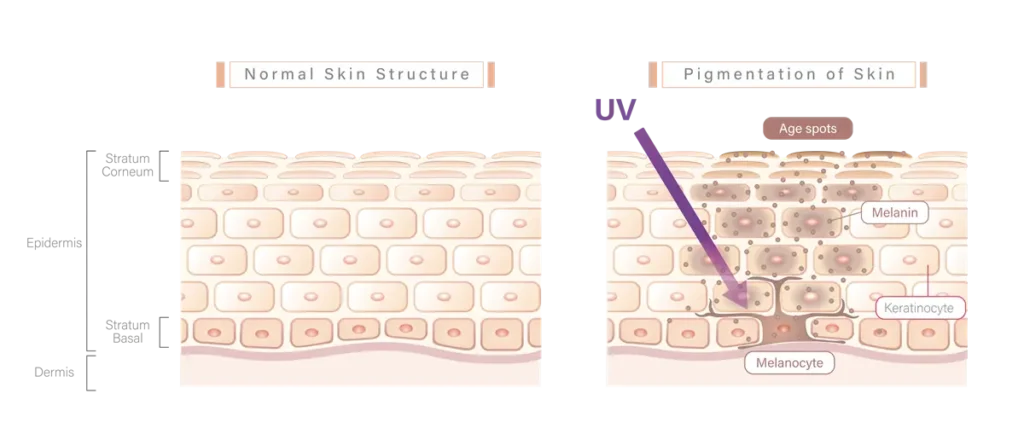
Hyperpigmentation is an easily recognizable skin condition that is characterized by darker areas on the skin, which are caused by the overproduction of melanin. To determine the best possible treatment, we have to look for the underlying cause of the problem first.
The Difference Between Melasma, Sun Spots, and PIH
Although all three types of hyperpigmentation appear as dark patches on the skin, the specific type of pigmentation, as well as the cause, will determine the treatment.
- Sun Spots(Lentigines): In general, these spots can be found on the surface, are the result of prolonged sun exposure, and show up as dark patches of small size with clear boundaries. Generally, they require the least amount of effort to get rid of.
- Melasma: This condition is sometimes called “pregnancy mask,” and it is difficult to control and treat because it is related to hormones, inheritance, and the sun. They usually form bilaterally and are found in the cheek and forehead areas as large and deep (dermal) or superficial (epidermal) patches. Melasma is extremely sensitive to sunlight and heat.
- Post-Inflammatory Hyperpigmentation (PIH): The process of the skin turning darker occurs as a reaction after it has been wounded or inflamed, for example, from having acne, eczema, or undergoing an overly aggressive aesthetic treatment. People with higher skin tones are particularly vulnerable to PIH (Fitzpatrick Types III- VI) because their melanocytes are very active and, therefore, very responsive to the trauma suffered by the skin.
Why Certain Treatments Can Worsen Pigmentation
Certain cosmetic procedures may inadvertently lead to more intense pigmentation. Heat or inflammation can trigger an exaggerated pigment response, especially in individuals with melasma. Medium and deep chemical peels, while highly effective for many skin concerns, may occasionally cause post-inflammatory hyperpigmentation if the skin is not properly pre-treated or when performed without considering a person’s unique skin biology. According to research from the American Academy of Dermatology, a significant percentage of complications after aggressive peels in Fitzpatrick IV–VI skin types are linked to PIH, underscoring the importance of thoughtful treatment planning. This does not mean that individuals with richly melanated or deeper skin tones cannot receive chemical peels; rather, it highlights the need to carefully evaluate efficacy and safety and to consult with a qualified skincare professional to ensure the best outcomes.
2. Microneedling’s Approach to Pigmentation Removal
Microneedling, sometimes referred to as Collagen Induction Therapy, is a skin treatment procedure that is considered non-ablative and minimally invasive.
The Process: Collagen Stimulation and its Targeting of Melanocytes
Microneedling treatment addresses hyperpigmentation through the following two key mechanisms:
- Melanin Clearance: The process of controlled injury to the skin triggers the skin’s natural healing process and, therefore, the skin’s healing properties, and the whole cycle of skin cells made and destroyed is getting faster. At the same time, the accumulated melanin is dispersed and removed. It is a great aid in the process of breaking up the already existing deposits of melanin.
- Improved Product Penetration: The tiny openings made by the needles enable the topical applications of skin-lightening serums, like Vitamin C, Tranexamic Acid, or some particular hydroquinone-like alternatives, to be absorbed down into the skin where they can work best, at the same time directly affecting the melanocytes among them with less systemic inflammation.
Advantages of Microneedling for Deeper Pigmentation and Sensitive Skin
Microneedling is an expert-recommended, skin-rejuvenating treatment with a significantly lower risk of Post-Inflammatory Hyperpigmentation (PIH) – often reported to be far lower than that associated with chemical peels. This makes it a versatile option throughout the year and a valuable consideration for individuals with deeper or richly melanated skin tones (Fitzpatrick IV–VI), provided it is performed correctly and with appropriate clinical judgment. Its high safety profile helps minimize the heat and inflammation that can otherwise trigger pigment overproduction.
Supported by clinical data, including research published in the Journal of Cosmetic Dermatology, microneedling combined with targeted topical treatments has been shown to reduce hyperpigmentation by up to 60% within a few months.
Additionally, chemical peels can be thoughtfully integrated into the same treatment protocol as microneedling to enhance overall skin benefits, such as improved radiance, antioxidant support, a stronger collagen response, and a noticeable boost in glow, when carried out by a skilled and experienced professional. This combination approach must be customized to each skin type to ensure safety and maximize effectiveness.
Beyond aiding in the management of pigmentation concerns and stubborn melasma, microneedling promotes overall skin rejuvenation by stimulating collagen and elastin production, addressing uneven texture, fine lines, and mild scarring simultaneously.
Most clients report only mild redness lasting 24–72 hours, during which they still achieve impressive, evidence-based results with minimal downtime.
If you’re seeking a gentle, non-invasive complement to your skincare routine, you may also explore “Microcurrent Therapy for Wrinkles: A Non-Invasive Solution.”
3. Chemical Peels for Hyperpigmentation: How They Work
A chemical peel procedure is whereby an acid solution is applied to the skin to do a number of things, including exfoliating, sloughing off the top layers of skin, which usually consists of more melanin and hence appears darker, and working deeply to bring the younger skin up to the surface. The whole process is like a skin-renewal treatment; the very first layer of dermis is made to be more vibrant and radiant.
Choosing the Right Strength: Which Acids Target Dark Spots Best (AHA vs. TCA)?
Chemical peels are performed by the use of a process that includes the application of exfoliating acids that work to dissolve the connections that link the dead skin layer and the new one underneath, while speeding up the cell production. The degree of penetration is the factor that will decide the success of a peel vis-à-vis the different types of pigmentation.
One of the most effective and popular chemical peel options for skin lightening is the use of AHA chemical peels, which include such acids as glycolic, lactic, ferulic, Vit. C Peels and more. Glycolic acid has a high degree of penetration, so it can be used for sunspots and dullness. On the other hand, Lactic acid provides a combination of slight exfoliation, hydration, and lightening. Ferulic is everything you can dream of, as it is a moisturizing peel and an antioxidant inhibiting the production of melanin.
Salicylic acid, also known as BHA, is normally the acid of choice for clients with post-acne inflammatory hyperpigmentation that are experiencing due to its oil-loving attribute (can be easily dissolved in oils), which allows it to come down to the pores and carry out its function.
TCA peels, typically used in concentrations ranging from 5–15% and up to 35%, can penetrate into the deeper layers of the skin, making them highly effective for addressing very stubborn pigmentation. However, the deeper the peel reaches, the higher the potential risk of Post-Inflammatory Hyperpigmentation (PIH). For this reason, these peels must be applied with precision and careful evaluation, particularly for individuals with deeper or richly melanated skin tones (Fitzpatrick IV–VI). This does not mean that these clients cannot benefit from TCA peels; rather, it highlights the importance of selecting the right strength, ensuring proper pretreatment, and having the procedure performed by an experienced professional to maximize results and minimize complications.
With so many options available, it is hard to pick the right peel. You may also find our overview “What Are the Different Types of Chemical Peels Available?” helpful as you compare treatment options.
Peeling Benefits and Considerations for Different Skin Tones
Clients with fair to medium skin types can generally handle a broader spectrum of peels, which also includes the medium-depth TCA formulations. On the other hand, the risk of pigment rebound for darker skin tones is considerably higher. Mild to moderate peels like lactic acids are reputed to be the safest choices. Dermatological studies say that the risk of post-inflammatory hyperpigmentation (PIH) with medium or deep peels is two to three times higher in those with deeper skin tones. This is exactly the reason why professional evaluation is indispensable prior to undergoing treatment.
Expert Insight: Our dermatologists at Forest Hills, NY, are very strict in following this safety protocol. For Fitzpatrick skin types IV-VI, we never skip the step of detailed skin analysis to discover the safest possible peel or alternative treatment plan. The initial consultation is your first step to getting safe and effective results.
4. Direct Comparison: Microneedling vs. Chemical Peel for Hyperpigmentation
The choice that will be most effective in the end will depend on the comparison of effectiveness, risk profile, and investment directly.
Which Method Gives Faster and More Durable Results?
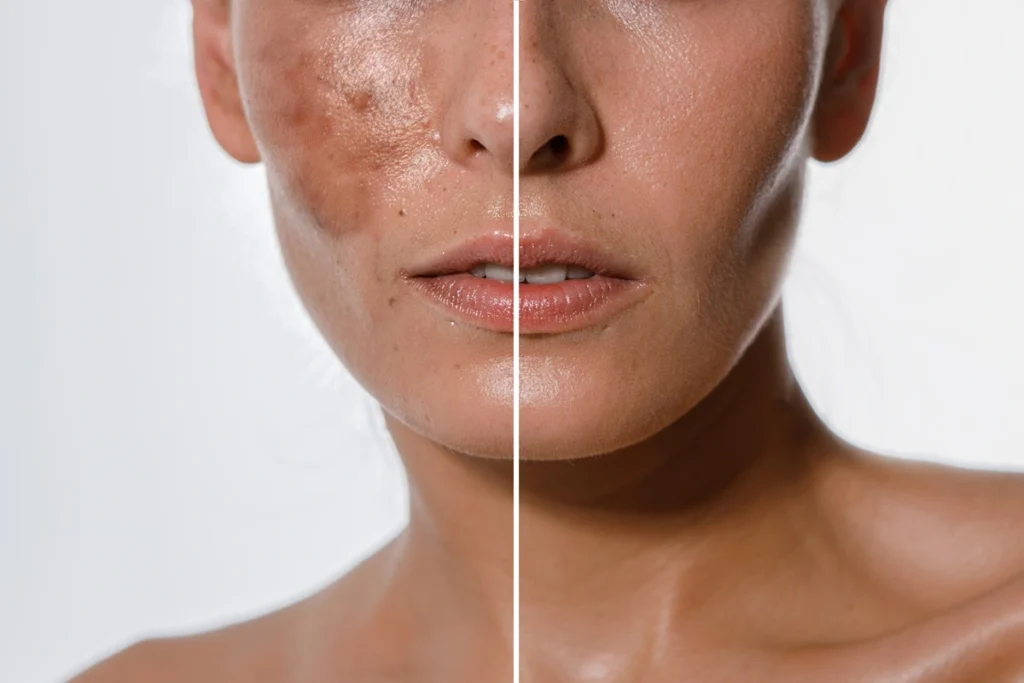
The visual improvement for sun spots is usually quicker with a Chemical Peel, as it acts directly by removing the pigmented layers. Microneedling treatment, on the other hand, is less time-consuming; it is more effective with deeper or more complex pigmentation, such as melasma or PIH, since it takes a gradual approach to rebuilding the dermal structure.
Usually, for individuals with deeper skin tones or with sensitive skin, microneedling is the more prudent option in the long run. Chemical peel series may take less time for clients with heavy sun damage to achieve the desired effect of significant lightening.
Downtime, Sensitivity, and Overall Risk
Microneedling is a procedure that usually causes mild redness for a short period, which is a major advantage for people who do not want much disruption to their routine, as the redness usually disappears in two to three days.
On the other hand, chemical peels have a wide range of side effects. For instance, light AHA peels may only cause slight flaking, while stronger TCA peels can result in visible peeling that lasts even up to a week. The main drawback of peels is that they have the potential to cause PIH if the skin is extremely sensitive and reacts to the treatment or the strict UV protection rule after the treatment is not followed.
Compared to other dermatological procedures, microneedling generally allows the patient to return to their daily activities sooner, thus attracting busy NYC professionals who are looking for cosmetic treatments that require minimal time commitment.
Cost and Number of Sessions
It is very important to take the entire treatment course into account in terms of cost, and not only to focus on the price of one session. Prices may vary. Please schedule a consultation for a personalized quote.
Microneedling Cost (US Market):
- Price Per Session: Regularly varies between $200 to $700.
- Required Sessions: 3–6 sessions at intervals of 4–6 weeks for the best results.
- Total Course Investment: Usually, the cost is higher initially, but the benefits are long-term and structural.
Chemical Peel Cost (US Market):
- Price Per Session: Superficial peels: $150 to $300; Medium/Deep peels: $500 and above.
- Required Sessions: Superficial peels need 3–5 sessions; Medium peels may need only 1–2.
- Total Course Investment: Superficial peels can lead to lower costs, but one can make medium peels to be more expensive than microneedling per session.
Quick Comparison Table: Hyperpigmentation Focus
| Feature | Microneedling | Chemical Peel |
| Primary Mechanism | Stimulates internal healing; breaks down melanin; increases serum absorption. | Controlled exfoliation (shedding damaged layers). |
| Best For | Melasma, PIH, deep scars, texture issues, all skin tones. | Sun spots, superficial pigmentation, and immediate brightening. |
| Melanin Risk | Low risk of worsening pigmentation. | High risk if too deep on dark/sensitive skin. |
5. Our Recommended Solution in NYC: Personalized Pigmentation Treatment
There is never a universal approach in dermatology, and every skin issue has its own cure.
To make the most of the advantages that the hyphenated types of hyperpigmentation can offer, especially in the case of melasma or concerns over PIH in deeper skin tones, a combination approach is often used. A superficial chemical peel can be employed first to get rid of the very top surface layers of dead skin, followed by microneedling weeks after that to encourage new collagen and skin to be created deep down and to let the products gain better absorption. The majority of studies now support the idea that combination therapies can be the best for issues like scarring, among others.
At Skincare Sommelier, located in Forest Hills, NYC, we consider it a customized treatment first. For us, this means the depth of your pigmentation assessment, Fitzpatrick Scale-based skin type analysis, and examining your lifestyle and the necessary downtime (if any) before we suggest anything. The commitment to individual, skilled care permits us to pick the safest and most efficient method, thus assisting you in getting the desired outcome of clear and radiant skin.
Next Steps: Schedule Your Consultation.
The journey to your clear skin begins here. Make your appointment for a consultation personalized to your needs at our NYC/Forest Hills location.
Let us take the uncertainty out and eliminate the possibility of your pigmentation getting worse. Make an appointment for your thorough consultation with the Skincare Sommelier Team and figure out the exact plan that is customarily made for your unique skin type and aesthetic goals.