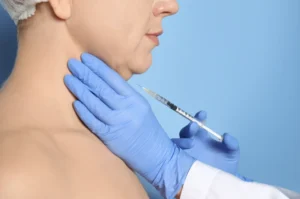

Table of Contents
If you’ve ever put off scheduling a chemical peel until the warmer months, you’re not alone.
Many clients ask every year, “Can you get a chemical peel in the summer?” — and more often than not, they’re advised to wait until fall. But modern aesthetic medicine has already reevaluated this approach. Peels can be performed in the summer — when the proper protocols are followed — and are safe and, in some cases, just as necessary as during the colder months. At Skincare Sommelier, each treatment is customized to your unique skin profile, ensuring every client receives expert guidance and the highest standard of care for safe, effective results.
In this article, the team at Skincare Sommelier Beauty Lab & Med Spa (Forest Hills, Queens, NYC) explains which acids suit warmer months, why avoiding professional exfoliation can backfire, and what a safe summer protocol looks like from preparation to aftercare.
Medical Disclaimer: This material is for informational purposes only and does not constitute medical advice. Consult a qualified professional before undergoing any cosmetic procedures.
Quick Answer: Are Chemical Peels Safe in the Summer?
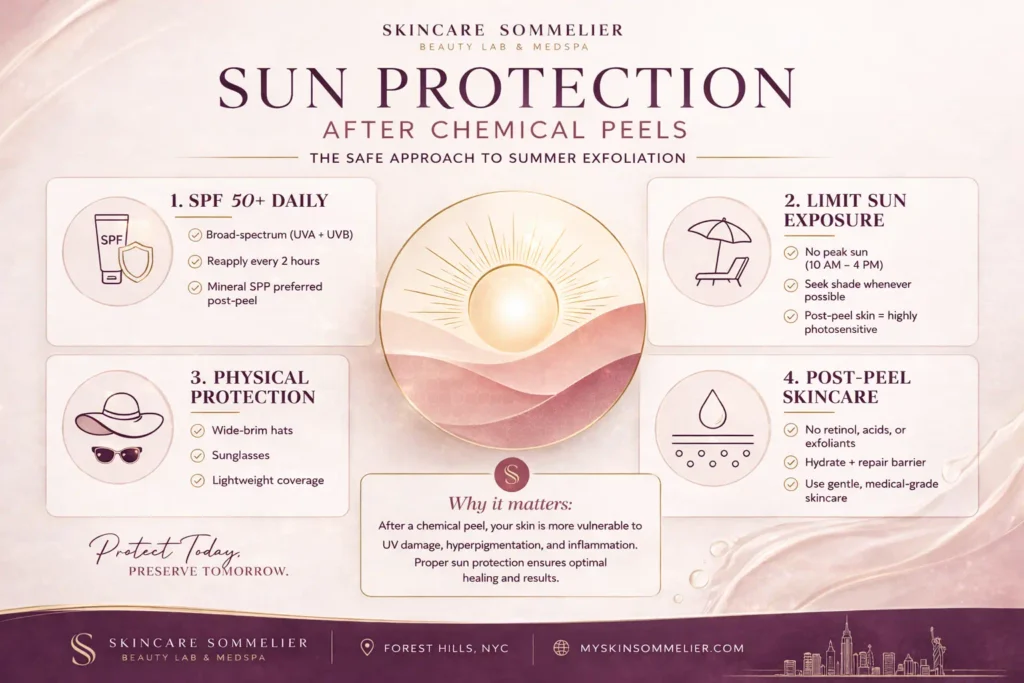
- Yes. Mild peels based on lactic and mandelic acids are considered safe during the warmer months, provided you strictly follow sun protection guidelines. This means wearing broad-spectrum SPF 50+ every day, reapplying sunscreen every 2 hours while outdoors, using wide-brimmed hats, seeking shade, and avoiding direct sun exposure, especially in the hours after your treatment.
- Summer vs. winter peels. Aggressive procedures are performed primarily in the winter, as they require a long recovery period and are incompatible with prolonged sun exposure.
- Sun protection is mandatory. Carefully manage sun exposure after a chemical peel: apply SPF 50+ daily and reapply every 2 hours when outdoors. Avoid direct sunlight for the first 72 hours after the procedure.
Why Pausing Chemical Peel in the Summer Can Damage Your Skin
Skipping professional exfoliation for an extended period during summer may feel like the cautious choice — but for many skin types, it can quietly work against you. Summer conditions contribute to skin congestion: a buildup of dead skin cells, trapped sweat, and thick sunscreen residue. Summer heat and humidity can slow down natural exfoliation. This leads to a congested, dull surface that is less responsive to your skincare products and professional treatments.
The right question isn’t whether chemical peels are safe in summer — it’s whether your skin can afford the neglect. A correctly selected summer chemical peel, lighter in concentration and supported by strict sun protection, maintains cellular turnover and keeps the barrier resilient through months of heat and UV exposure.
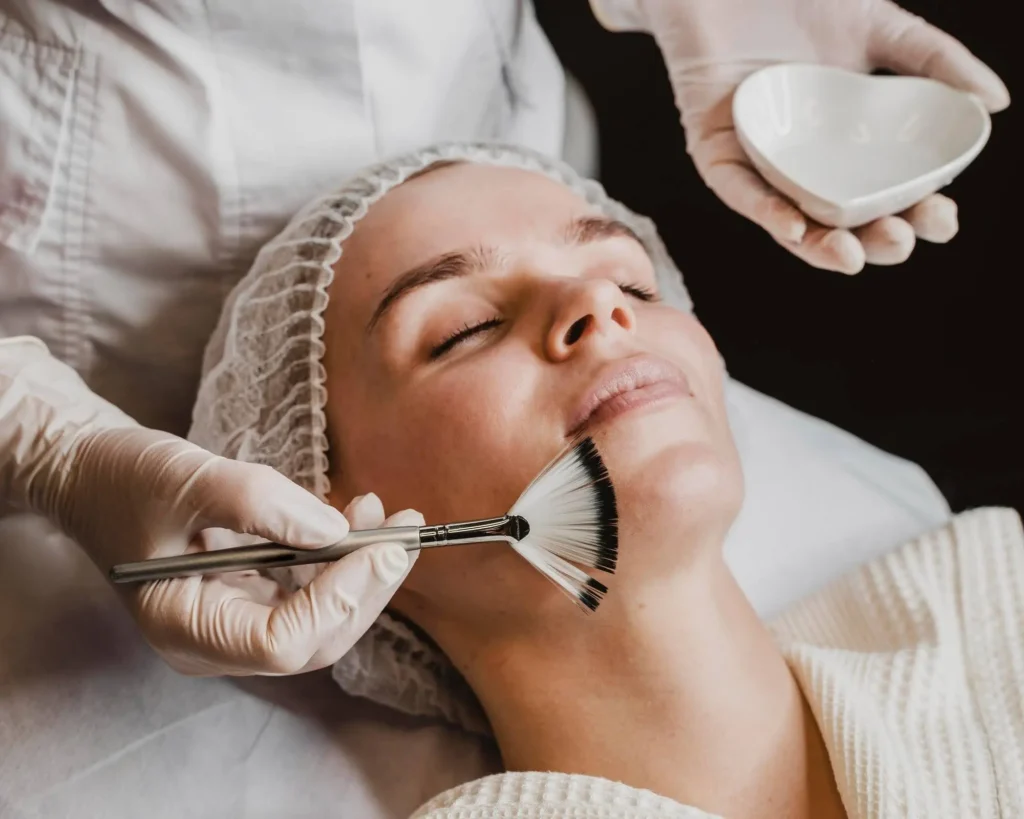
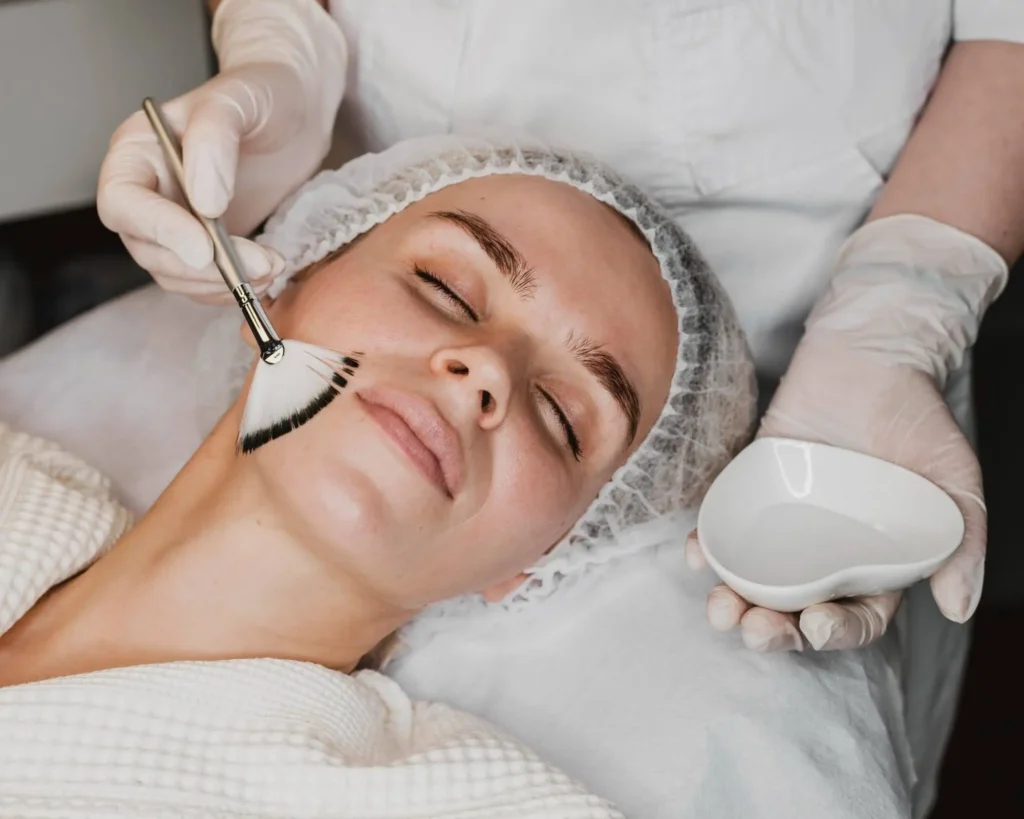
The Science of Summer Peels: Hydration, Anti-Oxidation, and Melanin Control
A summer peel isn’t a contradiction — it’s just a matter of choosing the right acid. Not all of them behave the same way under UV exposure, and it’s important to understand these differences.
Lactic and Mandelic Acids: Gentle Exfoliation Without Extreme Photosensitivity
Lactic and Mandelic acids belong to the alpha-hydroxy acid (AHA) family, but their larger molecular structures mean slower penetration, dissolving surface sebum without aggressively reaching deeper layers. Lactic acid also acts as a humectant, attracting and retaining moisture in the skin’s outermost layer, which is especially valuable in summer when dehydration from sun and air conditioning is constant. Mandelic acid’s lipophilic properties allow it to dissolve excess sebum without damaging the protective lipid barrier, while its antibacterial action makes it suitable for breakout-prone skin in hot weather. Compared to glycolic acid, it causes significantly less photosensitivity — making it the safer AHA choice for summer use.
Suppressing Summer Pigmentation: Preventing Melasma Before It Starts
One of the key principles of modern summer skincare is preventing pigmentation before it occurs — not waiting until fall to treat it. This is the main advantage of professional chemical peels in summer.
Melanin — the pigment responsible for dark spots and melasma — is produced with the help of the enzyme tyrosinase. Under UV exposure, this enzyme becomes more active, triggering pigment formation. The best light chemical peel for summer hyperpigmentation works by inhibiting tyrosinase, blocking pigmentation at the earliest stage.
The most well-studied inhibitors include azelaic and tranexamic acids, niacinamide, and arbutin derivatives — all incorporated into customized summer protocols at Skincare Sommelier. If you’re weighing your options for managing hyperpigmentation, our detailed comparison of microneedling vs. chemical peels can help you determine which approach best fits your skin type and goals. This is particularly relevant for New Yorkers who spend weekends in the Hamptons or on the Atlantic coast.
The “No-Peel” Chemical Peel: Advanced Bio-Stimulation for Summer Events
For clients who have an important event coming up soon and cannot afford to spend time recovering, modern aesthetic medicine offers “no-peel chemical peel” solutions. These treatments are designed not to visibly exfoliate the skin but to stimulate biological renewal at a deeper level.
In these protocols, specialists combine low-concentration acids with bio-stimulating components like polynucleotides (PDRN), peptides, or hyaluronic acid. While the acids gently exfoliate the surface, the active boosters — especially polynucleotides — penetrate deeper to trigger cellular regeneration from within. You can learn more about this biological mechanism in our guide to PDRN and salmon DNA skin rejuvenation.
This synergy delivers the “glass skin” effect: a visible glow, refined texture, and improved firmness. The addition of PDRN accelerates skin recovery and reduces downtime compared to traditional peels. This approach delivers better results while helping the skin heal faster, making the procedure a practical choice even a few days before an important event or a weekend.
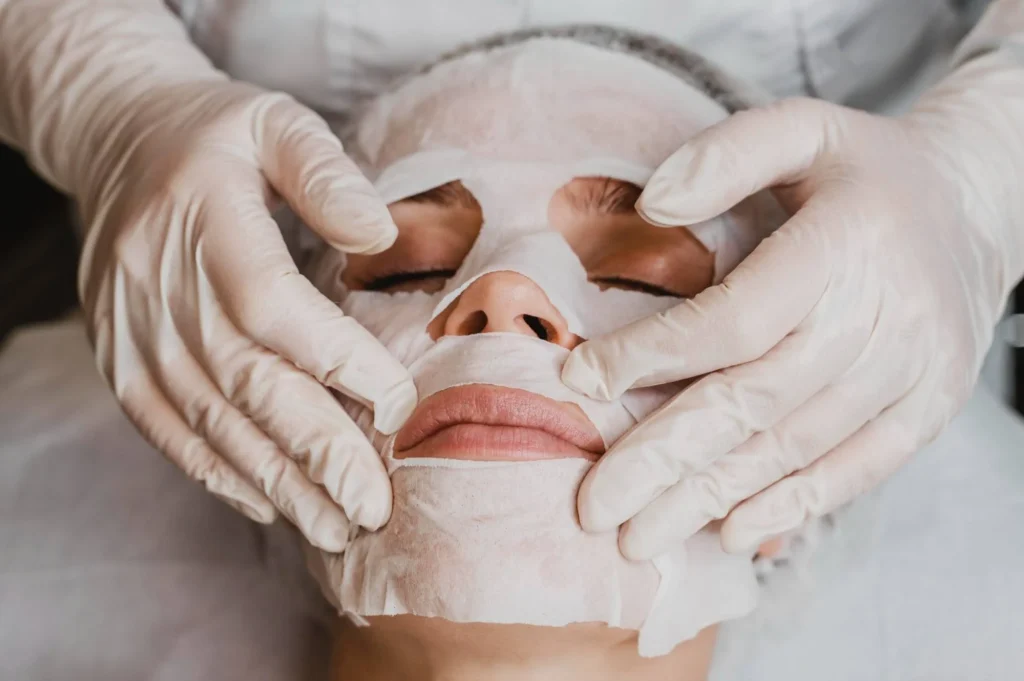
Preparing for and Recovering from a Summer Chemical Peel
Adherence to pre- and post-procedure protocols is a key factor in the safety and effectiveness of summer peels. Below are clinically supported recommendations.
Skin Preparation: How to Prep Your Skin for a Chemical Peel in Hot Weather
Knowing how to prep skin for a chemical peel matters just as much as the peel itself — maybe more so in summer, when the risk of baseline inflammation is already higher due to heat, UV exposure, and humidity. Here’s what we go through with every client before booking:
- Discontinue retinoids and other potent keratolytics 7 days before the peel.
- Incorporate moisturizers containing ceramides and hyaluronic acid into your at-home skincare routine — to strengthen the skin’s barrier function.
- Begin SPF 50+ use 14 days before the procedure to reduce the risk of inflammation and improve the peel’s results.
- Avoid saunas, intense cardio, and hair removal for 48 hours prior to your appointment.
- Inform the specialist if you are taking photosensitizing medications.
- On the day of the procedure, arrive with clean skin, free of makeup and sunscreen.
Post-Treatment Restrictions: Navigating Heat, Sweat, and Sun Exposure
The days following a chemical peel are the most vulnerable for your skin — and summer conditions make strict adherence to post-treatment rules essential. Sun exposure after a chemical peel can trigger hyperpigmentation and compromise results; avoid direct sunlight for 7–14 days and wear SPF 50+ every day.
What happens if you sweat after a chemical peel is equally critical. Sweat contains lactic acid, ammonia, and salt — all of which are irritating to compromised skin — and can cause inflammation, barrier disruption, uneven peeling, and an increased risk of infection.
For the first 7–10 days, avoid without exception:
- any activity that induces sweating—exercise, saunas, steam rooms, hot yoga;
- swimming — chlorine and saltwater are chemical irritants to healing skin;
- heat exposure of any kind, including hot showers and direct sun.
Do not pick or exfoliate peeling skin. Cleanse with tepid water, then gently pat dry. Your clinician’s protocol takes priority.
The Skincare Sommelier Standard: Precision Summer Aesthetics in Forest Hills
Skincare Sommelier Beauty Lab & Med Spa is located in the heart of Forest Hills, New York, a neighborhood where residents demand the highest standards of professional care. Every summer, every peeling treatment at Skincare Sommelier begins with a mandatory assessment of your skin’s barrier function.
During your initial assessment, a specialist will ask about your current skincare routine, lifestyle, any recent sun exposure, and history of sensitivities or reactions. The assessment typically takes 20 to 30 minutes and includes non-invasive measurements of stratum corneum hydration and testing for transepidermal water loss (TEWL).
Your specialist will also look for visible signs of impaired barrier function, such as redness, flakiness, or breakouts. Finally, your skin phototype is determined using the Fitzpatrick scale, allowing us to tailor the acid blend and concentration to your unique needs. We prescribe customized acids and never risk patient safety for a quick result.
FAQ: Chemical Peels in the Summer
Can you do chemical peels in the summer if you have a beach vacation planned?
Schedule your peel at least 14 days before any beach trip to allow the skin barrier to recover.
Will my face physically peel or flake off during the summer?
Summer peels typically cause invisible micro-flaking rather than heavy, noticeable shedding.
Can I work out and sweat immediately after a summer chemical peel?
No, you should avoid workouts for 48 to 72 hours after treatment. Sweat contains salts and acids that can irritate sensitized skin, leading to inflammation or uneven healing.
What is the best light chemical peel for sensitive skin during hot weather?
Lactic acid is the best option because its large molecules penetrate slowly, minimizing irritation. It also acts as a humectant, keeping sensitive skin hydrated despite the summer heat.
How do summer peels differ from winter peels?
Summer peels focus on gentle renewal and hydration to protect the skin from UV and heat. Winter peels are usually more aggressive, targeting deep texture and pigment when UV levels are lowest.
Chemical peels vs. Hydrafacial in the summer?
A summer chemical peel works at the cellular level to regulate melanin production and stimulate epidermal renewal, while HydraFacial provides mechanical pore cleansing and intense hydration.
Who should avoid summer chemical peels?
Clients with active inflammatory skin conditions or open epidermal wounds should avoid summer peels. Pregnancy and breastfeeding are also contraindications — the decision should be made on a case-by-case basis during a consultation with a specialist.
Conclusion
Healthy, radiant skin is the result of consistent, year-round care, not just seasonal treatments. Chemical peels in the summer are essential for maintaining optimal skin health during one of the most stressful times of the year.
Don’t put off caring for your skin until September. Book a summer consultation at Skincare Sommelier Beauty Lab & Med Spa in Forest Hills — and our specialists will develop a personalized summer regimen tailored specifically to your skin, your lifestyle, and your summer plans.