

Table of Contents
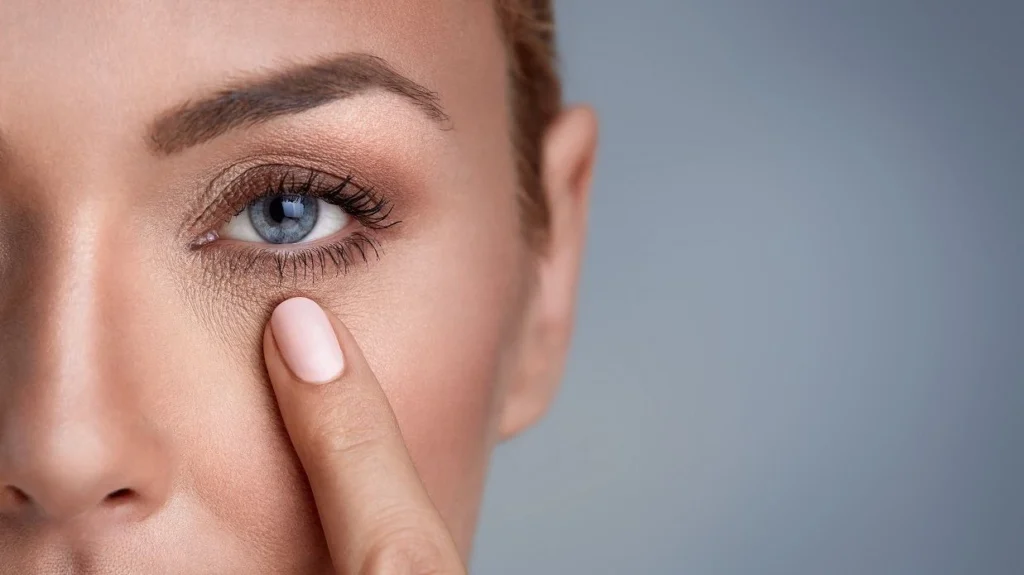
There’s a particular kind of exhaustion that New Yorkers know too well — not just from 5 a.m. subway commutes or back-to-back meetings, but the exhaustion that sits permanently beneath your eyes, long after you’ve actually slept. The infraorbital area is one of the first places the face communicates fatigue, volume loss, and stress — and it’s one of the most anatomically unforgiving zones to treat.
When clients at Skincare Sommelier Beauty Lab & Med Spa in Forest Hills, NY, come in asking about under-eye bags, they’re usually weighing two options: Dermal Fillers or PRF (Platelet-Rich Fibrin). Both have a place in modern aesthetic practice. But they work differently, address different problems, and come with different risk profiles.
Quick Answer (PRF vs. Dermal Fillers)
PRF vs. dermal fillers is not a competition — it is a clinical decision based on what your under-eye area actually needs.
- Dermal fillers add physical volume immediately. They work best for structural hollowing — when there is a visible depression beneath the eye.
- PRF (Platelet Rich Fibrin) rebuilds the skin from within. It works best when the skin is thin, when dark circles come from visible vessels beneath, or when a client wants to avoid synthetic material entirely.
- Many clients benefit from both — used in sequence, not simultaneously.
No treatment removes herniated fat pads. No injectable replaces surgery when surgery is what the anatomy requires. What follows is an honest, evidence-based breakdown of both options.
The Anatomy of Under-Eye Aging: Why Bags Happen
The skin under the eye is the thinnest on the entire face — approximately 0.5 mm. That single fact explains why this area ages visibly before almost any other area, and why it responds so differently to treatment than other facial zones.
With age, several changes happen at the same time:
- Volume loss — the fat pads beneath the eye shrink and shift, leaving a hollow. This is the tear trough, or sulcus infraorbitalis, in clinical terms.
- Skin thinning — as the dermis thins, blood vessels beneath the skin begin to show through. This is what causes the bluish-purple shadow many people call “dark circles”.
- Fat herniation — the membrane holding the orbital fat in place (the orbital septum) weakens. Fat pushes forward, creating the physical “bag”. This does not respond to injectables.
- Structural laxity — supporting ligaments loosen, and the overall architecture of the under-eye area shifts downward.
The key diagnostic question: Is the problem a hollow, thin skin, herniated fat, or a combination? Each has a different treatment answer.
“The under-eye area tells a story. Before touching anything, I need to read that story clearly. Because the treatment is completely different for each one.”
— Clinical specialist, Skincare Sommelier Beauty Lab
Expert Insight: Is Botox the answer to your under-eye concerns? Explore the clinical benefits here.
Dermal Fillers: The Risks of Synthetic Camouflage
Hyaluronic acid (HA) fillers work by physically occupying space. When injected into the tear trough area, they lift the depression and reduce the shadow it creates. The improvement is immediate and visible.
The Tyndall Effect: Why Under-Eye Filler Sometimes Turns Blue
The Tyndall effect is a light-scattering phenomenon, well-known in physics and increasingly relevant in aesthetics. When HA filler is placed too close to the skin surface, it interacts with light in a specific way:
- Shorter blue wavelengths scatter more than longer red wavelengths
- This scattering is visible through the thin infraorbital skin
- The result: a blue-gray tint beneath the eye that looks like a permanent bruise
The Tyndall effect under the eyes is not bruising. It does not resolve on its own. And it is, unfortunately, not uncommon for high-viscosity fillers to be placed in areas where the skin is often less than 1mm thick.
Filler Migration: What Happens Over Time
Filler migration occurs when the injected material moves from its original placement. In the under-eye area, this typically appears as unusual puffiness, heaviness, or a shelf-like fullness below the original treatment zone.
Migration happens for several reasons:
- The muscle surrounding the eye (the orbicularis oculi) is one of the most active muscles on the face. Constant movement can shift filler over time.
- HA fillers attract water (hygroscopic expansion), causing them to swell beyond their initial footprint.
- Using a filler with the wrong density for this delicate area.
How long do fillers last under the eye? Manufacturers quote 9–18 months. The clinical reality is different. A 2022 study in Aesthetic Surgery Journal found that HA filler can persist in facial tissue significantly longer than stated timelines — particularly in less-vascularized areas such as the periorbital zone. Displaced filler does not simply disappear when its “expiration date” passes.
This is not a reason to avoid fillers entirely. It is a reason to choose the right product, the right placement depth, and a specialist who knows the difference at Skincare Sommelier.
Refine. Restore. Refresh. Discover Our Curated Filler Protocols.
PRF: The Second Generation of Rejuvenation
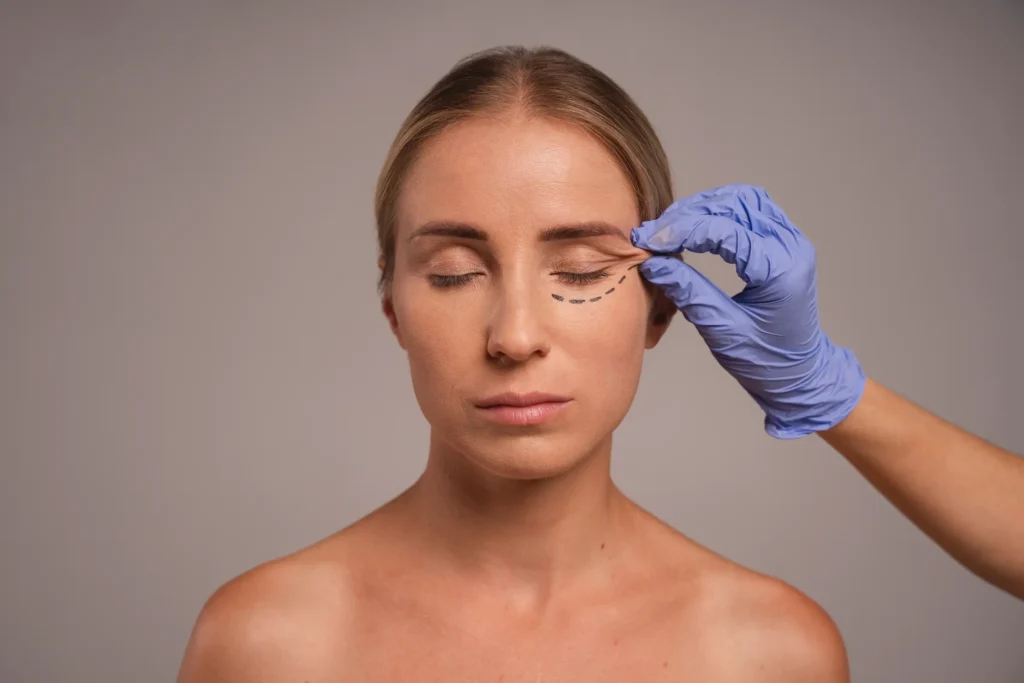
PRF, or Platelet Rich Fibrin, is made entirely from the client’s own blood. A small volume (10–20ml) is drawn, then processed in a centrifuge. The result is a concentrate rich in growth factors that stimulate the skin’s self-renewal.
The growth factors in PRF include:
- PDGF (platelet-derived growth factor) — stimulates cell proliferation
- TGF-β (transforming growth factor beta) — supports collagen synthesis
- VEGF (vascular endothelial growth factor) — improves local circulation
- IGF (insulin-like growth factor) — promotes tissue repair
PRF tells the skin’s own fibroblasts to produce more collagen and elastin. The skin gradually becomes thicker, firmer, and better-vascularized. Dark circles caused by thin skin become less visible as the dermis strengthens.
Deep Dive: Learn how a PRF Facial triggers long-term collagen production for the entire face.
PRF vs. PRP: What Changed
PRP (Platelet Rich Plasma) was the earlier generation. It was centrifuged at a higher speed, released its growth factors immediately upon injection, and had no structural scaffold.
PRF differs in one key way: slower centrifugation creates a fibrin matrix. Instead of releasing everything at once, the fibrin matrix delivers growth factors gradually over 7–14 days. This sustained release produces more durable tissue remodeling than PRP.
- Retains platelets more efficiently (higher platelet concentration per volume)
- Creates a sustained-release environment for growth factors
- Supports structural tissue regeneration rather than surface-level stimulation
PRF does not freeze muscles or remove herniated fat. Also, it does not replace the structural volume lost from bony resorption in the midface.
“PRF is not a filler. I tell clients that upfront. What it does is rebuild the tissue from within — thicker skin, better color, healthier dermis — what many people exactly need.”
— Clinical specialist, Skincare Sommelier Beauty Lab
EZ Gel PRF: The Bio-Filler Option
EZ Gel is an evolved PRF formulation. By heating part of the PRF concentrate and combining it with liquid PRF, the result is a gel-like substance that:
- Provides immediate mild volume (like a filler, but biological)
- Delivers sustained growth factor release (like standard PRF)
- Carries no Tyndall risk — it is the body’s own material
- Does not migrate — it integrates into the surrounding tissue
EZ Gel under-eye treatment is a strong option for clients who want some immediate correction without synthetic material.
“PRF is not a filler replacement. It rebuilds the tissue — thicker skin, better color, healthier dermis. That’s a different category of result. For clients with very thin, translucent skin, it’s often the only approach that makes lasting sense.”
— Clinical specialist, Skincare Sommelier Beauty Lab
PRF vs. Dermal Fillers: Side-by-Side Comparison
| Factor | PRF / EZ Gel PRF | Hyaluronic Acid Filler |
| Source | Client’s own blood | Synthetic HA gel |
| How it works | Stimulates collagen production | Physically fills the space |
| Onset | Gradual — 4–8 weeks | Immediate |
| Duration of results | 6–12 months (tissue change) | 9–18 months (material) |
| Blood draw required | Yes | No |
| Tyndall effect risk | None | Present if placed too shallow |
| Migration risk | None | Present with wrong product/placement |
| Best for | Thin skin, shadowing, dark circles | Structural hollowing, volume deficit |
| Host-dependent | Yes | No |
| Downtime | 24–48 hours | 24–72 hours |
Who Should Choose Dermal Fillers
Fillers are a strong option when:
- There is significant structural hollowing — a visible, deep tear trough casting a shadow
- Immediate results are a priority
- Skin is thick enough to support filler without Tyndall risk
- The client understands and accepts periodic maintenance and possible future dissolving
Who Should Choose PRF
PRF under the eyes is typically the preferred approach when:
- Skin in the infraorbital area is thin and translucent
- Dark circles are caused by vascular shadowing (blue-purple tone from visible vessels, not pigment)
- There is a history of filler complications — Tyndall effect, migration, or accumulated product
- The client prefers autologous, biological treatment with no synthetic material
- Fitzpatrick Skin Types III–VI, where tissue reactivity requires careful management
Regenerative Science: Explore how the same PRF technology supports healthy hair growth.
The Host-Dependent Factor: Your Lifestyle Affects PRF Results
PRF is made from your own biology. Its quality depends on your body’s current state. Clinical observations at Skincare Sommelier show consistent patterns: clients who are well-hydrated, sleep-sufficient, and nutritionally supported respond more robustly — visible color improvement often appears after the second session.
Factors that may reduce PRF efficacy:
- Smoking
- Chronic dehydration
- High stress / elevated cortisol
- Low protein intake
This is disclosed at every Skincare Sommelier consultation. Honest expectations produce better outcomes.
Ready to Restore Your Skin’s Natural Resilience? Explore PRF Therapy at Skincare Sommelier.

Skincare Sommelier in Forest Hills, NY: Diagnosis First
The Skincare Sommelier team works with both modalities — not because offering both is good marketing, but because anatomy does not fit one template.
Every under-eye consultation at Skincare Sommelier includes:
- Skin thickness assessment (visually and by palpation)
- Hollowing depth evaluation
- Cause of dark circles (distinguishing vascular shadowing from structural shadow from true melanin pigmentation)
- Prior treatment history
- Lifestyle assessment
For dermal fillers in Forest Hills or PRF treatment at Skincare Sommelier, the starting point is always a consultation
“I see clients who’ve had filler placed elsewhere and developed that heavy, swollen look over time. In those cases, we dissolve, let the anatomy recover, and rebuild with PRF. The results are usually far more refined — and the clients are relieved.”
— Clinical specialist, Skincare Sommelier Beauty Lab
FAQ: About PRF And Dermal Fillers For Under-Eyes
How long does PRF last under the eyes?
PRF plasma is absorbed within days. What remains is the new collagen and elastin that the body produces in response to the growth factors. After a standard course of 3 sessions, clinical results typically hold for 6–12 months.
Can PRF fix dark circles?
It depends on the cause:
1. Vascular shadowing (thin skin showing vessels beneath) — PRF is effective. As the dermis thickens through neocollagenesis, vessels become less visible.
2. Structural shadowing (from a hollow) — responds better to volume restoration via filler or EZ Gel PRF.
3. Melanin pigmentation (true color change in the skin) — PRF alone is insufficient. A combination protocol with targeted pigment treatments is more appropriate.
An assessment at Skincare Sommelier identifies which type is present before recommending any treatment.
Is PRF painful?
The procedure involves two steps: a blood draw and the injection itself.
1. The blood draw 10–20 ml from the arm.
2. Topical numbing cream before injection.
During treatment, clients typically feel mild pressure or fullness. PRF has the same physiological pH as the body’s own tissue, so it does not produce the burning sensation sometimes associated with synthetic injectables. Bruising (ecchymosis) and swelling (edema) are possible — this is a vascular area. Both are considered normal tissue responses and typically resolve within 5–7 days.
What is the Tyndall effect after fillers, and can it be fixed?
The Tyndall effect occurs when HA filler is placed too close to the skin surface.
The fix: hyaluronidase — an enzyme that dissolves HA gel precisely. After correction, at Skincare Sommelier, the aesthetician reassesses the area. In many cases, PRF or EZ Gel PRF is then selected to rebuild tissue quality and eliminate the risk of recurrence.
I have filler that has migrated. What should I do?
Do not add more filler on top of displaced material. What to do:
1. Hyaluronidase to dissolve the misplaced filler.
2. A recovery period to allow the tissue to normalize.
3. A fresh assessment, then a precise, appropriate treatment plan.
PRF is particularly well-suited for clients with a history of filler migration.
Is there a filler designed specifically for the under-eye area?
Yes. Not all HA fillers are good for the under-eye area. Products such as Restylane Eyelight and Belotero Balance are formulated with lower cohesivity and reduced hygroscopicity — they attract less water and integrate more gently into periorbital tissue than standard volumizing fillers. This reduces the risk of puffiness and the Tyndall effect.
How do I know if I have hollowing, shadowing, or pigment?
Hollowing: A physical depression casts a shadow. Visible in good lighting as a concave area.
Shadowing from thin skin: The area appears darker because vessels beneath the dermis are visible. The tone is typically bluish-purple.
Pigmentation: A true color change in the skin itself — brownish tone, consistent across different lighting angles.
A clinical assessment — which Skincare Sommelier provides at every consultation — distinguishes among the three, preventing treatment from being applied to the wrong problem.
Will I look puffy after treatment?
After filler: Mild swelling for 24–72 hours. Cold compresses help. Most clients are presentable within a few days.
After PRF / EZ Gel PRF: More noticeable temporary fullness for 24–48 hours. By 48–72 hours, initial puffiness subsides, and gradual improvement begins.
Clients are advised to avoid aspirin, NSAIDs, and fish oil for 5–7 days before treatment, where medically appropriate, to minimize bruising risk.
What is the difference between EZ Gel PRF and PRF?
Standard PRF is a liquid-to-gel concentrate that is injected as-is — its viscosity is relatively low, and its primary mechanism is biostimulation rather than volume. EZ Gel takes the process further – the result is a thicker, injectable bio-filler that provides both immediate soft-tissue volume and the sustained growth factor release of standard PRF.
EZ Gel is perfect for the under-eye area: more volumizing than standard PRF, more biologically integrated than HA filler, with none of the Tyndall risk or migration concerns associated with synthetic products.
How many PRF sessions are typically needed?
A standard PRF under-eye treatment course at Skincare Sommelier consists of 3 sessions, spaced 4–6 weeks apart. Some clients with significant tissue thinning or vascular shadowing may benefit from a fourth session.
Maintenance treatment every 6–12 months supports the tissue foundation over time, particularly important given the ongoing collagen loss that accompanies natural aging.
Conclusion: A Holistic Vision of Eye Rejuvenation
The comparison of PRF vs dermal fillers for under-eye bags ultimately comes down to mechanism matching anatomy: does this person need structural volume, biological regeneration, or both?
- Fillers restore structure when structure is genuinely missing.
- PRF rebuilds tissue quality when skin health is the limiting factor.
- Sequential protocols — conservative filler for scaffolding, PRF for skin regeneration — often deliver the most natural, lasting results.
The Skincare Sommelier Beauty Lab & Med Spa team in Forest Hills, NY, approaches every under-eye consultation with the same framework: diagnose first, treat second, and be honest about what any given treatment can and cannot accomplish.
If you are in Queens and are considering PRF injections near me or want an informed conversation about whether fillers, PRF, or a combination protocol is appropriate for your anatomy, the starting point is a consultation.
Contact the Forest Hills lab today to schedule a consultation.